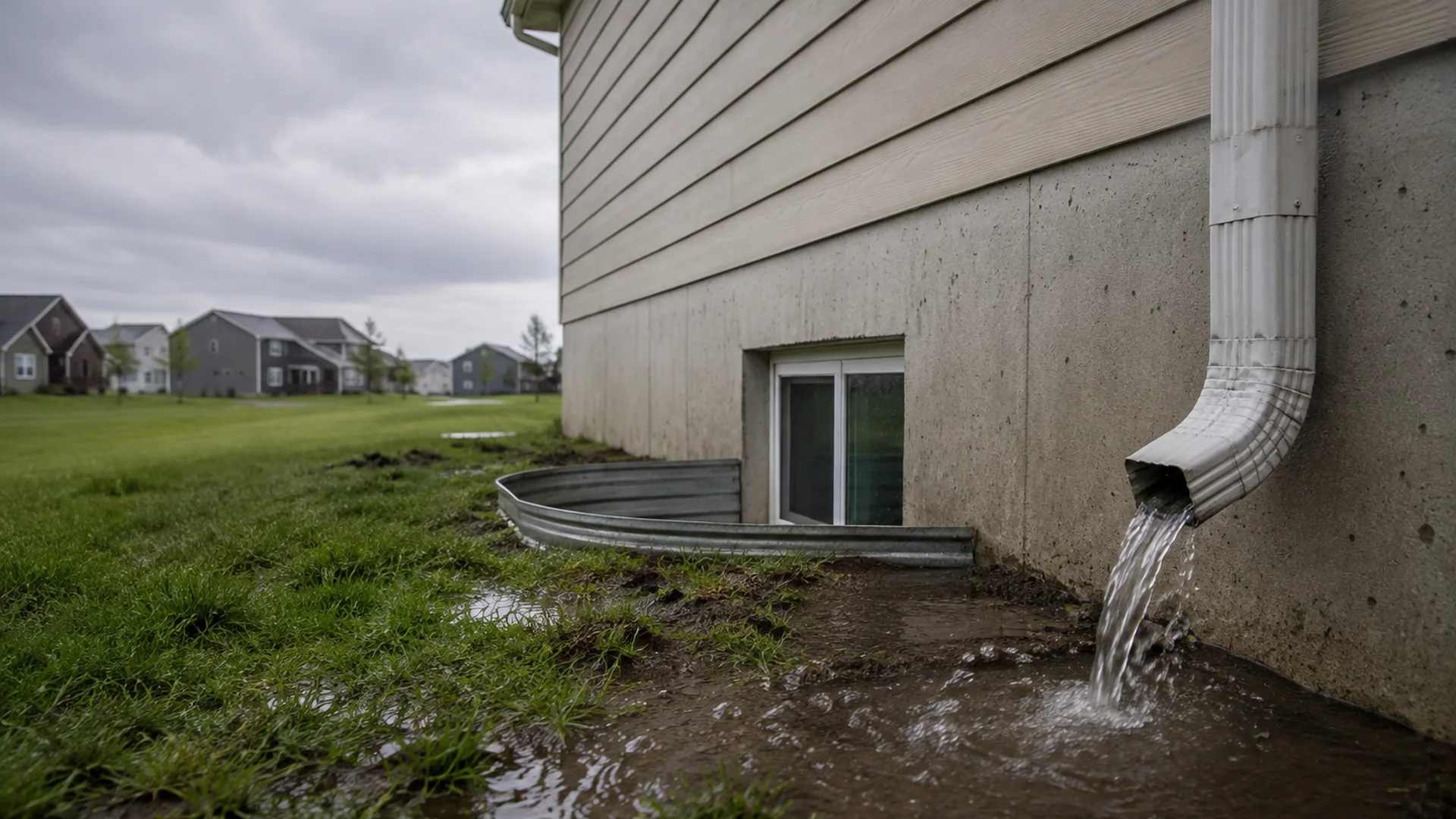
10 Signs You Need Basement Waterproofing
Most basement water problems announce themselves quietly, long before there's standing water on the floor. Here's what to look for.
A wet basement rarely starts with an obvious flood. It usually starts with one or two of the signs below — easy to notice, easy to dismiss. Catching them early is almost always cheaper and less disruptive than waiting for the problem to become unmistakable.
-
A musty or earthy odor
Even without visible water, a persistent musty smell usually means moisture is present somewhere — often behind walls or under flooring — and can indicate mold beginning to develop.
-
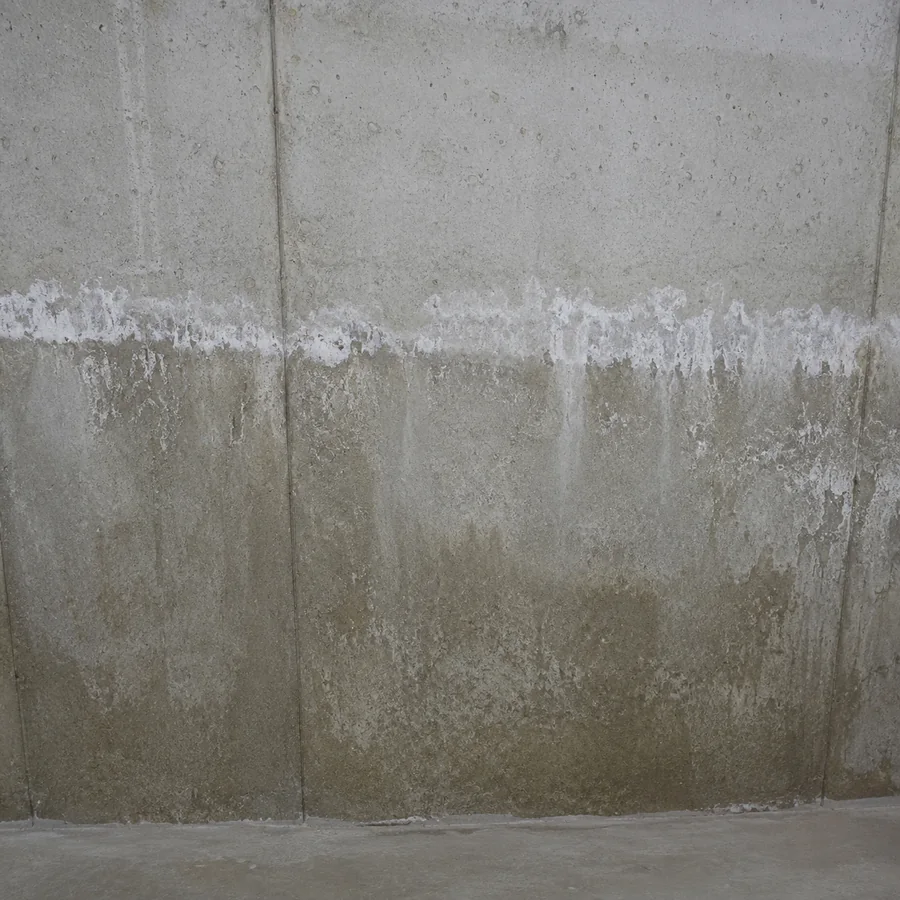
White, chalky staining (efflorescence)
Efflorescence forms when water passes through concrete and evaporates, leaving mineral deposits behind. It's not damage by itself, but it's reliable evidence that water is actively moving through your foundation.
-
Damp spots or visible water after rain
Spots that only appear after heavy rain, rather than constantly, usually point to a hydrostatic-pressure or surface-drainage issue rather than a rising water table.
-
Cracks in the foundation wall or floor
Most concrete cracks slightly as it cures, and most hairline cracks are cosmetic. A crack with staining, active dripping, or one that's visibly grown deserves a closer look.
-
Bowing or leaning walls
A structural sign that hydrostatic pressure has been pushing on a wall for an extended period. Sticking doors or windows near the foundation can be a related clue.
-
Peeling paint or flaking on basement walls
Moisture moving through concrete or block can push paint off from behind the surface, often well before an obvious leak appears.
-
Rust on appliances, ductwork, or the water heater
Consistently high basement humidity can rust metal components years before the underlying cause is otherwise obvious.
-
A sump pump that runs constantly — or not at all
Constant cycling usually means more water is entering than the system was designed to handle. A silent pump during a storm can mean it's failed at exactly the moment it's needed.
-
Warped or buckling flooring above a crawl space
Usually a sign of crawl space moisture rather than basement water directly, but part of the same underlying moisture-control picture.
-
Higher-than-usual humidity or condensation on pipes and windows
Persistently damp basement air, even without pooling water, is often an early sign worth addressing before it becomes a bigger problem.
Which of these are you seeing?
Select what applies for a quick read on urgency. This isn’t a diagnosis — just a starting point before a proper inspection.
What to Do If You Notice These Signs
- Don't wait for a small sign to become an obvious one — early intervention is almost always less disruptive and less expensive.
- Note when the issue appears (during rain, snowmelt, or constantly) — that timing is useful diagnostic information.
- Avoid painting over or covering a damp wall before it's been evaluated; it can mask the extent of the problem without solving it.
- Schedule an inspection rather than guessing at the cause from a list — the right fix depends on specifics a checklist can't capture.
Common Questions
Is a little efflorescence normal?
A small amount is common in older basements and isn't automatically an emergency, but it should still be evaluated as part of a broader inspection, since it always means water has moved through the concrete at some point.
How fast does a wet basement turn into a mold problem?
It varies by humidity, ventilation, and material, but mold can begin developing within 24–48 hours of sustained moisture exposure — which is why addressing the moisture source quickly matters more than treating any single symptom.
This guide is for general homeowner information and isn’t a substitute for an in-person inspection of your specific home.
Get a Free Basement Inspection
Tell us what’s going on and we’ll get back to you with next steps — no obligation, no pressure.
- In-person inspection, not a guess from a phone call
- A written, itemized quote you can actually compare
- No fake urgency — we’ll tell you honestly what can wait